
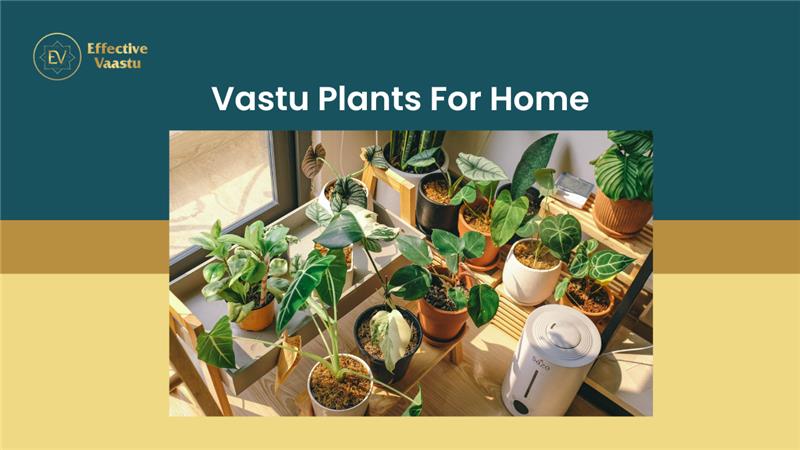
Plants play an important role in creating a peaceful and balanced living environment. According to Vastu Shastra, plants are not only decorative elements but also powerful sources of positive energy, prosperity and emotional harmony. Keeping the right vastu plants for home in the correct direction can help improve health, financial stability and overall well-being.
In modern homes where pollution, stress and artificial environments are increasing, indoor plants help reconnect our homes with nature. Vastu experts often recommend specific plants because they absorb negative vibrations, purify the air and enhance the natural energy flow inside the house.
If placed correctly, Vastu plants can activate positive zones of the house and support growth, success and happiness for the residents.
Why Plants Are Important in Vastu Shastra
Vastu Shastra is based on the balance of the five natural elements, Earth, Water, Fire, Air and Space. Plants represent the Earth and Air elements, which symbolize life, growth, freshness and vitality.
Keeping plants in the home offers multiple benefits according to Vastu principles:
• Improves positive energy flow in the house
• Enhances oxygen levels and purifies indoor air
• Reduces stress and improves mental peace
• Promotes prosperity and financial growth
• Strengthens relationships and emotional balance
Green plants also soften harsh architectural corners and create a calm and natural atmosphere in living spaces.
Best Direction to Keep Vastu Plants For Home According to 360° Vastu Zones
In traditional Vastu practice, directions are not limited to only North, South, East and West. The entire space around a house is divided into 360 degrees and each zone carries a specific energy related to the five elements, Fire, Water, Air, Earth and Space.
Placing plants according to these zones can help activate positive energy and balance the environment of the home.
Using the best vastu plants for home in the correct degree zones is considered a simple yet powerful Vastu correction that supports growth, harmony and prosperity.
45° – 90° (Air Zone)
This zone represents the Air element, which governs movement, communication, learning and mental clarity.
Best Plants for This Zone
• Tulsi plant
• Indoor flowering plants
• Small green plants
Benefits
Plants placed in this zone improve freshness, positivity and mental focus. This direction is ideal for balconies, windows or open spaces where plants can receive natural airflow.
90° – 180° (Fire Zone)
This zone is connected with the Fire element, which represents energy, action, recognition and fame.
Best Plants for This Zone
• Flowering plants
• Decorative plants with bright green leaves
• Medium-sized indoor plants
Benefits
Plants in this direction can enhance motivation, enthusiasm and social recognition. However, avoid over-crowding this zone with too many plants because Fire energy requires openness.
180° – 270° (Water Zone)
The Water element governs emotional balance, relationships and financial flow.
Best Plants for This Zone
• Money Plant
• Lucky Bamboo
• Plants grown in water containers
Benefits
Placing plants here supports financial stability, emotional harmony and prosperity. Water-based plants like Money Plant in a glass bottle work particularly well in this zone.
270° – 315° (Earth Zone)
This zone is connected with the Earth element, which represents stability, grounding and long-term success.
Best Plants for This Zone
• Large indoor plants
• Areca Palm
• Strong leafy plants
Benefits
Plants in this zone help create stability in career, finances and family life. Heavier or taller plants are suitable here because Earth energy supports strength and structure.
315° – 45° (Space Zone)
The Space element represents expansion, spiritual growth and clarity.
Best Plants for This Zone
• Light decorative plants
• Sacred plants like Tulsi
• Aromatic plants
Benefits
Plants placed in this zone, as per vastu for home, help maintain calmness, clarity of mind, and spiritual balance within the living space.
Plants to Avoid According to Vastu
While many vastu plants for home bring positive energy into the home, certain plants are not recommended inside residential spaces according to Vastu Shastra. These plants may disturb the natural energy balance or create emotional instability if placed incorrectly.
Milk Producing Plants
Plants that release milky sap such as certain species of Euphorbia or rubber-type plants are generally avoided inside homes in Vastu.
Reason:
• They are believed to create emotional disturbances
• May attract conflicts or misunderstandings in the family
• Symbolically represent instability in relationships
Lemon Plant
Although lemon trees are useful and auspicious in some rituals, keeping a lemon plant inside the house is not recommended.
Reason:
• The plant contains thorns which are associated with tension and stress
• Thorny plants may disturb peaceful vibrations in the house
• They may symbolically represent obstacles in personal or financial life
Banana Plant
The banana plant is considered sacred in Hindu traditions and is often used during religious ceremonies. However, according to Vastu principles, it should not be planted inside the house or very close to the building structure.
Reason:
• Banana plants require large open spaces for proper growth
• They attract excessive moisture and insects if kept too close to homes
• Vastu recommends planting them in temple areas or open garden
Other Plants to Avoid Indoors
Healthy and vibrant plants always symbolize growth, life energy, and prosperity, so it is important to maintain them properly.In addition to the above plants, Vastu experts also suggest avoiding:
• Cactus plants – associated with stress and negativity
• Highly thorny plants – may create conflict in relationships
• Dry or dying plants – represent stagnant energy
Important Vastu Tips for Plant Placement
To maximize the benefits of vastu plants in your home, follow these simple Vastu guidelines:
• Always keep plants healthy, green and well-maintained
• Remove dry leaves or dying plants immediately
• Avoid thorny plants inside the house
• Do not overcrowd plants in one direction
• Ensure plants receive natural sunlight and airflow
Healthy plants symbolize growth, prosperity and positive life energy, which directly influence the mood and environment of a home.